Construction in Context
Construction raises questions at every stage. Here we address the topics that come up most often, answered by professionals who work with these concepts daily.
Shallow foundations transfer building loads to soil close to the surface — typically within three meters of ground level. They work well when surface soil has adequate bearing capacity. Deep foundations, such as piles or caissons, carry loads down to stronger soil or rock layers far below the surface. The choice depends on soil conditions, building loads, and local geological factors. A geotechnical study is generally required to determine which type is appropriate for a specific site. This is a general explanation; the correct foundation type for any project must be determined by a qualified professional.
Materials expand and contract with temperature changes. In large structures, these movements — if unaccommodated — can cause cracking or structural damage. Expansion joints are deliberate gaps in a structure that allow different sections to move independently without transferring stress to adjacent elements. They are commonly found in long buildings, bridges, and large concrete slabs. The spacing and design of expansion joints depends on the material, climate, and structural configuration, and is determined during the engineering design phase.
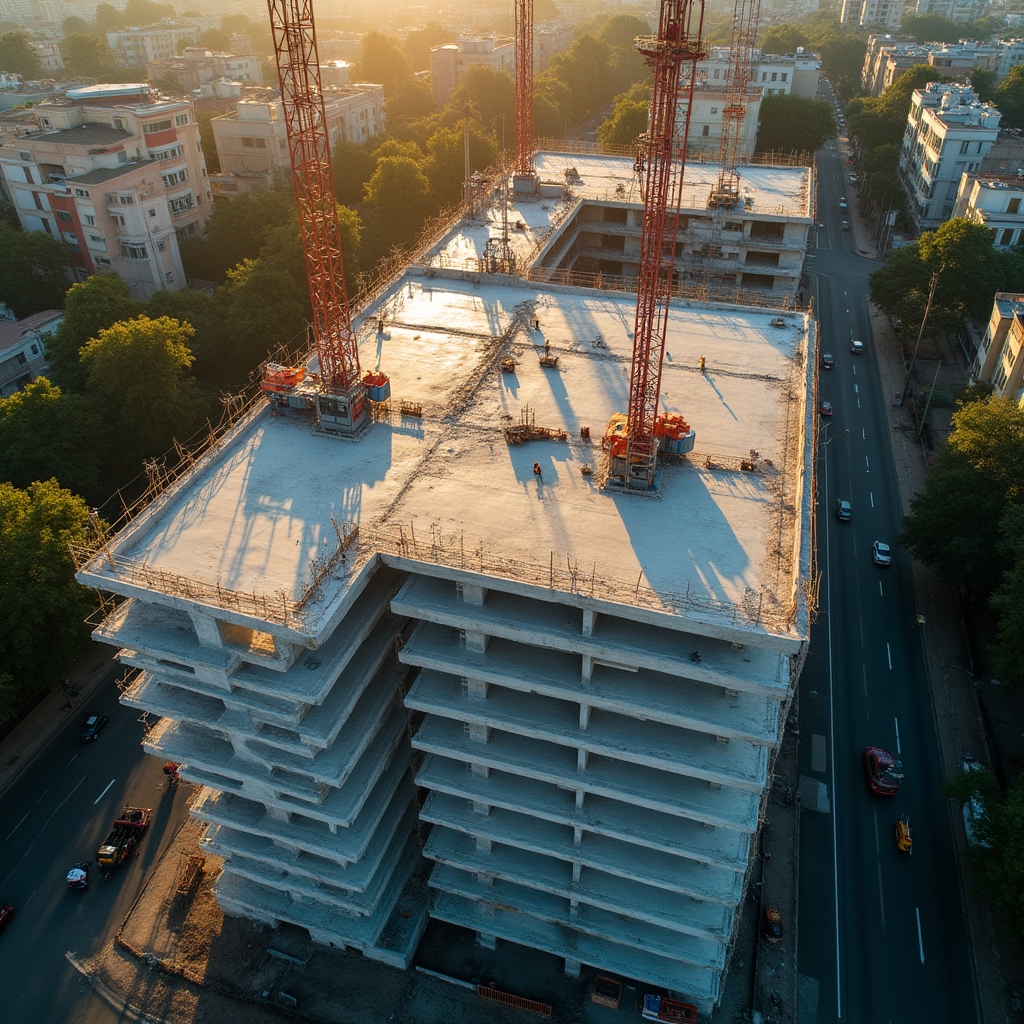
A structural load is any force that acts on a structure. Dead loads are permanent — the weight of the building itself, including walls, floors, and roof. Live loads are variable — people, furniture, equipment, and snow. Wind and seismic loads come from environmental forces. Engineers design structures to safely carry all anticipated load combinations throughout the building's life. Understanding load types helps explain why buildings are designed the way they are and why certain modifications require professional assessment.
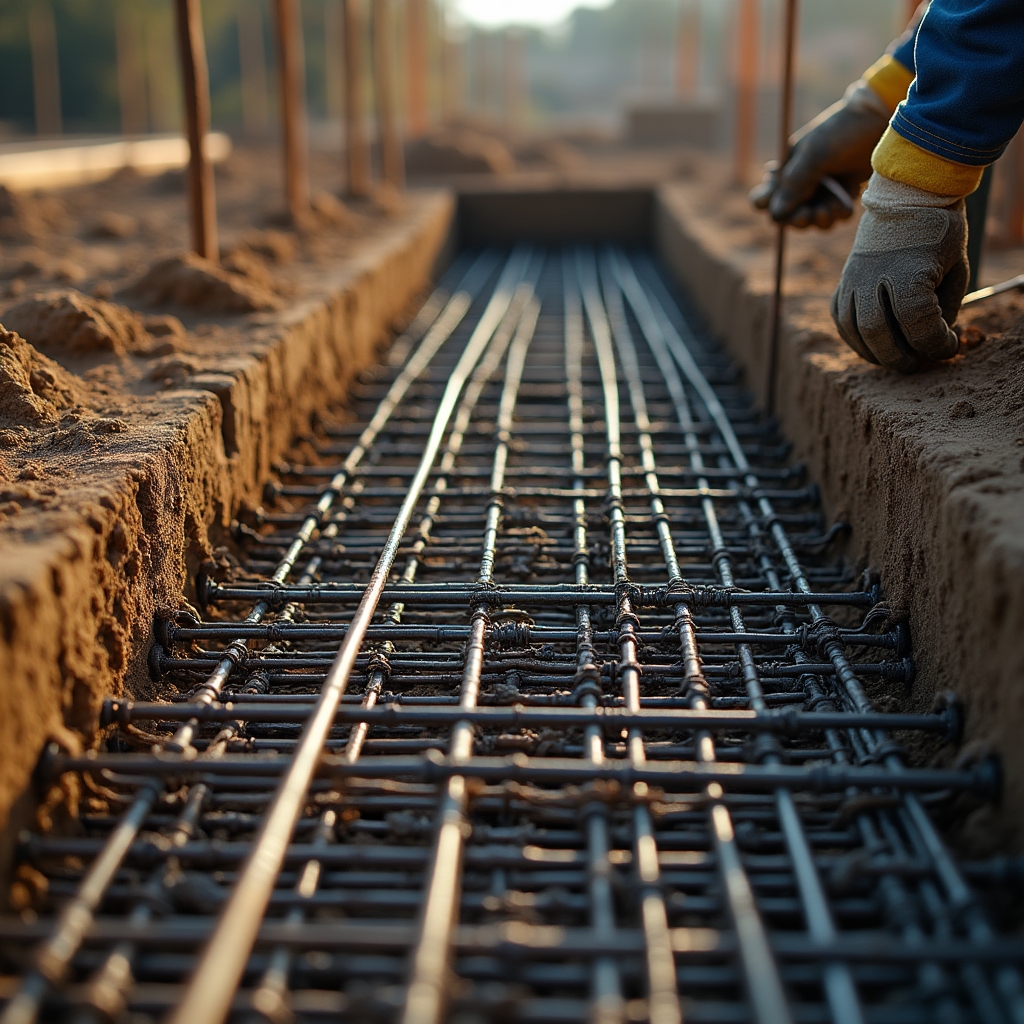
Concrete is strong in compression — it resists being squeezed — but weak in tension — it cracks when pulled. Steel, on the other hand, handles tension well. Reinforced concrete combines both materials: steel bars (rebar) are embedded in concrete to provide tensile strength while the concrete provides compressive strength and protects the steel from corrosion. This combination is durable, adaptable, and economical, which is why it is one of the most widely used structural materials in the world.
Structural steel refers to steel sections — beams, columns, and plates — that form a building's primary load-bearing framework. Reinforcing steel (rebar) is embedded inside concrete to improve its tensile performance. Both are steel alloys, but they are manufactured to different standards, come in different forms, and serve distinct structural roles. Structural steel frames are common in commercial and industrial buildings; reinforcing steel is used wherever concrete is the primary structural material.
Timber has been used in construction for millennia and remains relevant today. Modern engineered wood products — such as cross-laminated timber (CLT) and laminated veneer lumber (LVL) — have expanded its applications significantly. Wood is lightweight relative to its strength, renewable, and has favorable thermal properties. It is susceptible to moisture, fire, and biological deterioration if not properly treated and detailed, but modern building systems address these vulnerabilities effectively. Timber construction is increasingly used in mid-rise and even larger buildings in many parts of the world.
Insulation reduces the transfer of heat between the inside and outside of a building. In cold climates, it keeps interior heat from escaping; in hot climates, it slows external heat from entering. This reduces energy consumption for heating and cooling, improves thermal comfort, and can reduce condensation-related moisture problems. Insulation also provides acoustic benefits in some applications. Common materials include mineral wool, expanded polystyrene, polyurethane foam, and natural fibers. The appropriate type and thickness depends on climate, building use, and regulatory requirements.
Concrete cracks for many reasons: shrinkage during curing, thermal movement, structural overload, settlement, or reinforcement corrosion. Not all cracks are structurally significant. Hairline cracks from shrinkage are common and often cosmetic. Wider cracks, cracks that grow over time, or cracks accompanied by displacement may indicate more serious issues. The significance of a crack depends on its width, location, orientation, and the structural context. Assessment by a qualified structural engineer is recommended whenever there is uncertainty about the severity of cracking in a structural element.
A building permit is an official authorization from a local authority allowing construction, renovation, or demolition to proceed. It exists to ensure that proposed work complies with zoning laws, structural safety standards, fire regulations, and other applicable codes. Most new buildings and significant renovations require permits. The process typically involves submitting project documents for review, paying applicable fees, and undergoing inspections at key stages of construction. Requirements vary by jurisdiction, so it is important to consult local regulations or a professional for your specific situation.
A site supervisor (also called a construction manager or resident engineer in some contexts) oversees day-to-day operations on a construction site. Their responsibilities include coordinating trades, monitoring progress against the schedule, ensuring quality standards are met, managing safety protocols, and communicating between the design team and the construction crew. They serve as the primary point of contact on site and are responsible for ensuring that what is built matches what was designed. The specific title and scope of responsibilities varies by project type and contractual arrangement.
A bill of quantities (BQ or BOQ) is a document that lists all the materials, labor, and other items required to complete a construction project, with associated quantities and unit rates. It is prepared by a quantity surveyor and used for tendering — allowing different contractors to price the same scope of work consistently. It also serves as a basis for contract administration and payment valuation during construction. The bill of quantities is a key document in many formal procurement processes, particularly for larger projects.
Waterproofing refers to systems and materials applied to building elements to prevent water penetration. It is critical in areas exposed to moisture: roofs, basements, bathrooms, terraces, retaining walls, and underground structures. Water infiltration can cause structural deterioration, mold growth, corrosion of reinforcement, and damage to finishes. Waterproofing systems include membranes (sheet or liquid-applied), crystalline treatments, drainage layers, and sealants. Effective waterproofing requires correct material selection, proper surface preparation, and skilled installation — failures are often due to poor application rather than material deficiency.